





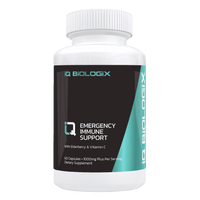


































Emergency Immune Support
Immune Defense
Emergency Immune Support is to be taken at the first sign of a cold or suspected exposure – not as a daily supplement. It combines elderberry (the most-researched herbal for shortening upper respiratory infections), echinacea, zinc, vitamin C, garlic, L-glutamine for gut barrier support, and a probiotic layer. Take it when you feel something coming on.
This formula is designed for when your immune system is under immediate stress.
The antimicrobial layer – elderberry, echinacea, and garlic.
European Elderberry (300mg, Sambucus nigra) is the most clinically researched herbal for upper respiratory illness, with trials showing reduced duration and severity when supplementation starts at symptom onset. The mechanism: flavonoid compounds that interfere with how viruses attach to respiratory cells. Echinacea activates macrophages – the immune cells that identify and engulf pathogens – and stimulates cytokine production. Garlic produces allicin, a sulfur compound with direct antimicrobial activity against bacteria and viruses. Three different mechanisms, all covering the same threat window.
Zinc and Vitamin C – immune cell fuel.
Zinc (16mg) is required for T-cell development and natural killer cell function. It also directly inhibits viral RNA polymerase, the enzyme viruses use to replicate. Vitamin C is depleted rapidly during active immune response – white blood cells consume it at dramatically higher rates when fighting infection. Supplementing during illness maintains the supply that immune cell function depends on.
L-Glutamine – the gut barrier.
Roughly 70% of your immune system is housed in gut-associated lymphoid tissue. L-Glutamine is the primary fuel source for the rapidly dividing immune cells in the intestinal wall. During acute immune activation, glutamine demand outpaces what diet alone supplies – supplementing supports gut barrier integrity and the cellular energy demands of the immune response.
Lactobacillus acidophilus – microbiome reinforcement.
Beneficial gut bacteria directly train and regulate immune function. Short-course probiotics during acute illness have consistent support in the literature. This strain adds a microbiome-reinforcement layer to the formula’s acute immune coverage.
Frequently Bought with Emergency Immune Support






10 actives. 8 jobs.
Click to expand
01
Antioxidant Defense
Vitamin C
+
−
Vitamin C (ascorbic acid) is consumed at dramatically higher rates during immune activation – white blood cells deplete plasma Vitamin C rapidly when fighting infection. Supplementing during illness maintains the supply that immune cell function depends on.
02
Immune Defense
Zinc
+
−
Zinc is required for T-cell development and natural killer cell activity. It also directly inhibits viral RNA polymerase – the enzyme viruses use to copy themselves – which may explain clinical trial findings showing reduced cold duration with zinc supplementation at the onset of symptoms.
03
Gut Barrier Support
L-Glutamine HCl
+
−
L-Glutamine is the primary fuel for rapidly dividing immune cells – intestinal epithelial cells and lymphocytes consume it at high rates during active immune response. Supplementation supports gut barrier integrity and the cellular energy demands of immune activation, where roughly 70% of immune tissue resides.
04
Viral Entry Inhibition
European Elderberry Extract
+
−
European Elderberry (Sambucus nigra fruit) flavonoids interfere with viral entry into cells by binding to viral surface proteins – reducing the virus's ability to attach and replicate. The most clinically researched herbal in the formula, with trials showing reduced duration and severity of cold and flu.
05
Immune Activation
Echinacea Purpurea Powder
+
−
Echinacea purpurea activates macrophages – the immune cells that identify and engulf pathogens – and stimulates cytokine production that mobilizes broader immune activity. Best evidence at the onset of symptoms. Designed for short-term acute-phase use, not chronic daily supplementation.
06
Antimicrobial Support
Garlic Powder
+
−
Garlic (Allium sativum) produces allicin – a sulfur compound with direct antimicrobial activity against bacteria, viruses, and fungi. Allicin also activates macrophages and has documented antiviral properties in cellular research. Among the most recognized food-based immune support compounds.
07
Immune Regulation
Turmeric
+
−
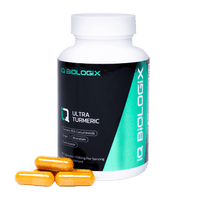
Turmeric (95% curcuminoids) modulates NF-κB – the inflammatory signaling switch that governs the intensity of the immune response. Curcumin helps regulate the response rather than suppress it, reducing the inflammatory overshoot behind most cold and flu symptoms. Clinical-strength 95% standardization.
08
Gut Microbiome Support
Lactobacillus acidophilus
+
−
Lactobacillus acidophilus is one of the most studied probiotic strains for immune support – approximately 70% of the immune system is located in gut-associated lymphoid tissue, and beneficial gut bacteria directly train and regulate immune function. Short-course probiotics during illness have consistent literature support.