
























































































Gut & Immune.
Fully support the systems that connect digestion and immune readiness: microbial balance, gut-barrier integrity, food breakdown, and first-line immune support.
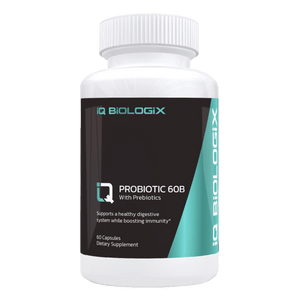
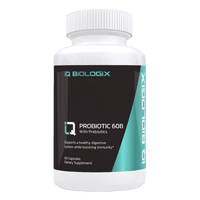
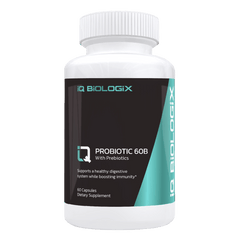
Probiotic 60B With Prebiotic
Probiotic 60B delivers 60 billion CFU of multi-strain live bacteria, plus prebiotic fiber to help feed them. The formula focuses on Lactobacillus and Bifidobacterium strains, two categories commonly used for digestive and immune support. Because probiotic benefits build with consistency, this is best taken daily over time - think weeks, not overnight.

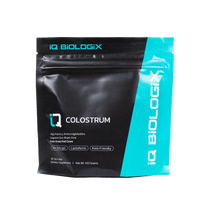
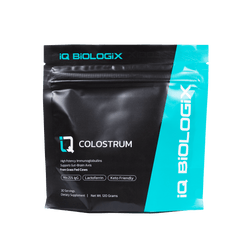
Colostrum
Nutrient-dense colostrum delivers key compounds such as immunoglobulins, growth factors, and lactoferrin, the components most often associated with gut-barrier support. The gut barrier is the cellular boundary between the contents of the digestive tract and the rest of the body. When that boundary is under strain, your immune system is at greater risk. Colostrum helps support the tight-junction structure that keeps that barrier intact and functioning properly.
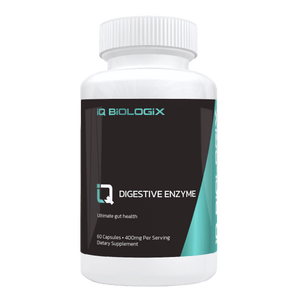
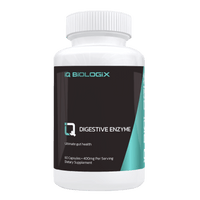
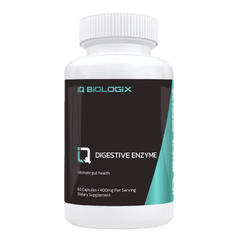
Digestive Enzyme
Digestive Enzyme provides broad-spectrum enzyme support, with amylase for carbohydrates, lipase for fats, protease for proteins, plus lactase, cellulase, bromelain, papain, and other enzymes for harder-to-digest foods. The mechanism is straightforward: enzymes work on the food in your gut, helping break it into smaller molecules your body can absorb and your microbiome can use. Take with food, not before — enzymes need food present to work. For people who already notice digestive discomfort, support may show up quickly as less post-meal heaviness, bloating, or sluggish digestion. For general use, it’s a quieter upgrade: helping you break down and extract more from the food you already eat.
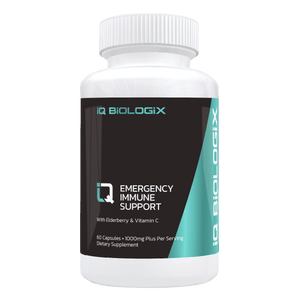
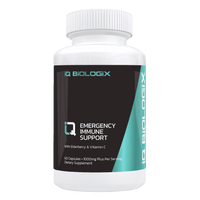
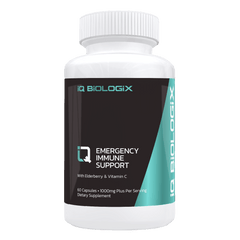
Emergency Immune Support
Emergency Immune Support provides the stack's first-line immune-readiness layer per the supplement facts label: zinc and vitamin C as the mineral-and-vitamin foundation, plus a botanical layer led by ingredients such as elderberry and echinacea in this category. The goal is not to "kill" pathogens directly, but to support the body's early immune response – the system that reacts first when exposure happens. Immune cells depend on adequate zinc and vitamin C, while the botanical layer supports early immune response. Built for both daily use and situational ramp-up when travel, winter, or exposure risk is higher.
Multiple pathways at work .
Carefully constructed for maximum benefits
How these work together.
test combinations. Each one targets a different part of the system. Pick a pair on the right to see the two products together.
Is this stack right for you?
-
You deal with occasional bloating, post-meal heaviness, irregularity, or sluggish digestion. The enzyme layer can register quickly, while the probiotic and barrier-support layers build with consistency.
-
You want broad daily gut-and-immune support without chasing a single symptom. The four products cover the everyday systems that connect digestion, barrier function, microbial balance, and immune readiness.
-
You recently completed antibiotics or are rebuilding after a gut-disrupting period. Probiotic 60B plus Colostrum is the core rebuilding pair inside the stack.
-
You are entering a high-exposure season – winter, travel, crowded events, or kids in school – and want a daily foundation with a situational immune-support layer built in.
-
You are severely immunocompromised or taking immunosuppressants. Live-bacteria probiotics and bovine immunoglobulins can matter in these contexts – check with your provider before use.
-
You have a severe dairy allergy. Colostrum is bovine-derived; it is not the same as drinking milk, but customers with severe dairy reactions should check with their provider before use.
-
You are pregnant or breastfeeding. The stack's components are generally low-friction for many adults, but this is a provider-check category.
-
You have a known sensitivity to botanicals in Emergency Immune Support, including elderberry or echinacea. Cross-allergy with the daisy family is the most common consideration.
Safety information for this stack
Consult your healthcare provider before use if you are pregnant, nursing, taking medication, or have a medical condition. This is especially important if you are immunocompromised, taking immunosuppressants, pregnant, or breastfeeding. The stack includes a live-bacteria probiotic and bovine colostrum, both of which can matter in those contexts. Bovine colostrum may also be inappropriate for people with severe dairy allergy. Check with your provider before use if any of these apply.
Frequently Asked...
Things people ask
Q.01 Should I take Digestive Enzyme before or with meals?
With food. Digestive enzymes work on food – they need to be in your gut at the same time as the food they are helping break down. Taking enzymes 20 to 30 minutes before a meal puts them in an empty stomach, where there is little for them to act on and where stomach acid can begin degrading them before food arrives.
The practical protocol: take one capsule at the start of the meal, or partway through if you remember mid-meal. Customers with baseline digestive complaints often notice the difference within days.
Q.02 How long until the probiotic actually does anything?
Probiotic support is gradual. Shifts in the microbiome usually take three to six weeks of consistent daily use, while digestive comfort can improve sooner because that depends partly on immediate bacterial activity rather than long-term community change.
The prebiotic fiber matters here. Live bacteria need fuel to survive transit and do their work in the gut; the prebiotic component helps make the difference between a dose that simply passes through and a dose that has a better chance of contributing over time.
Q.03 Can I take Emergency Immune Support every day, or only when sick?
Both. The formulation is designed to fit a daily support routine, with the option to increase use during higher-exposure periods or when you feel something coming on.
The daily approach helps keep zinc and vitamin C available for immune-cell function. The situational approach leans harder on the botanical-and-nutrient layer when exposure risk is higher – winter, travel, crowded events, or a house full of kids bringing germs home.
Q.04 I'm lactose intolerant – can I take Colostrum?
Most lactose-intolerant people tolerate colostrum, but it depends on severity. Bovine colostrum contains far less lactose than milk, and its key components – immunoglobulins, growth factors, and lactoferrin – are protein-based rather than lactose-based.
If you have severe lactose intolerance or a true cow's milk protein allergy, check with your provider before use. Low lactose is not the same as zero lactose, and milk-protein allergy is a separate issue from lactose handling.
The next layer.
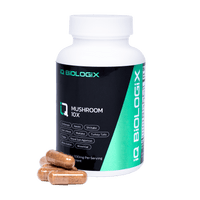
Mushroom 10X
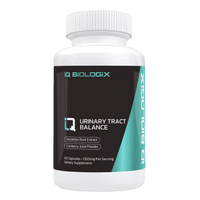
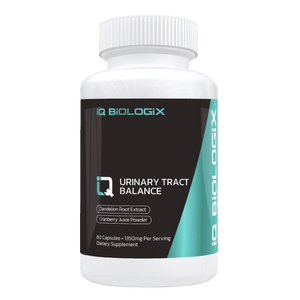
Urinary Tract Balance
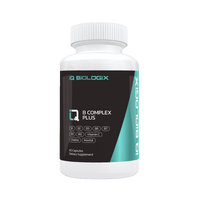
B Complex Plus
*These statements have not been evaluated by the Food and Drug Administration. This product is not intended to diagnose, treat, cure, or prevent any disease. Consult your physician before use if you are pregnant, nursing, taking medication, or have a medical condition.
Your cart
(0)


Product Comparison
| Description |
| Price |
| Vendor |
| Type |
| Product variants |

| The Gut & Immune Stack – 4 products curated for digestion, barrier integrity, and immune resilience from the gut up. Save 10% on the stack vs buying components separately. Subscribe and save another 10% on every shipment. Components: Probiotic 60B · Colostrum · Digestive Enzyme · Emergency Immune Support | Regular price
Sale price
$92.52
Regular price
| IQ Biologix | Stack |
Choose your option

Available in stock (42)
The Gut & Immune Stack – 4 products curated for digestion, barrier integrity, and immune resilience from the gut up. Save 10% on the stack vs buying components separately. Subscribe and save another 10% on every shipment.
Components: Probiotic 60B · Colostrum · Digestive Enzyme · Emergency Immune Support





- Choosing a selection results in a full page refresh.
- Opens in a new window.